
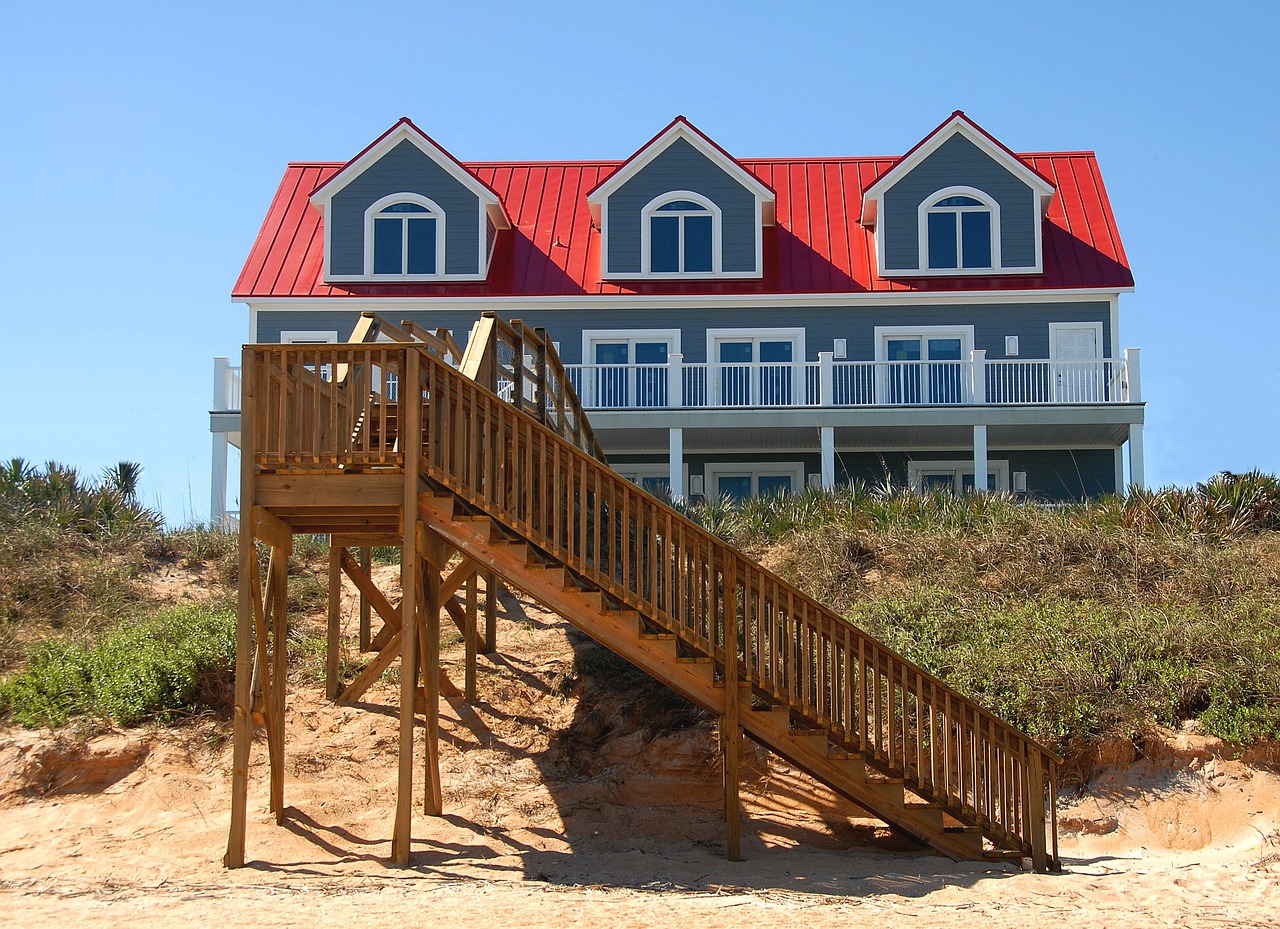
Getting a mortgage in Daytona Beach works much like anywhere else in Florida: you show steady income, manageable debt, acceptable credit, and funds for closing, and the lender reviews the home itself. What makes Daytona different is the mix of property types. Oceanfront condos, older beachside homes, river properties, newer neighborhoods west of the interstate, and second homes all come with their own insurance, condo, and occupancy questions, and those details can shape your loan as much as your credit score does.
This guide walks through what buyers in Daytona Beach and the surrounding Volusia County area should plan for, so there are fewer surprises between the offer and the closing table.
Beachside, mainland, and everything in between
Daytona Beach covers a lot of ground, and where a home sits can change the financing picture. In general terms:
| Area type | What often comes up in financing |
|---|---|
| Oceanfront and beachside condos | Condo project review, master insurance policy, reserves, special assessments, rental rules |
| Older beachside and riverside homes | Roof age, four-point inspection, flood zone, wind coverage |
| Mainland neighborhoods | Often more straightforward, but insurance and flood zones still vary by street |
| Newer communities west of the city | HOA dues, community development district fees on some properties, builder timelines |
None of these areas is better or worse for a loan. They simply raise different questions, and knowing them early helps you budget and choose the right program.
Financing a Daytona Beach condo
Condos are a big part of the Daytona market, especially along the beach. When you finance a condo, the lender reviews both you and the building. That review commonly looks at:
- The association’s budget and reserve funds.
- The master insurance policy, including wind and flood coverage.
- Any pending or planned special assessments.
- The share of units that are owner occupied versus rented.
- Whether a single owner holds many units, and whether there is litigation.
- Recent structural inspections and any required repairs for older coastal buildings.
Some buildings meet the guidelines for a wide range of loan programs. Others may only fit certain programs, or may need a larger down payment. Requirements vary, so ask for the condo questionnaire, budget, and recent meeting minutes as early as you can. Our article on Florida condo financing before you make an offer covers the documents to request.
Insurance and flood zones near the ocean and the river
Insurance is usually the cost that surprises Daytona buyers most. Lenders count homeowners insurance, flood insurance when required, and HOA dues as part of your monthly housing payment, which affects how much you qualify for.
- Flood zones: homes near the ocean, the Halifax River, and low-lying areas may sit in zones where flood insurance is required for a federally backed loan. Even outside those zones, many owners choose to carry it.
- Roof and age: older homes often need a four-point inspection, and roof age can affect which carriers will write a policy.
- Wind mitigation: documented features like hurricane straps, impact windows, and shutters may help with premiums. See our guide to wind mitigation and 4-point inspections.
- Hurricane season timing: insurers may pause new policies when a named storm threatens, which can delay a closing. Getting quotes right after your offer is accepted helps.
Once you have a real quote, plug it into the mortgage calculator along with taxes and dues to see the full monthly picture.
Primary home, second home, or rental?
Daytona draws full-time residents, seasonal owners, and investors, and lenders treat each one differently. How you plan to use the home matters for the loan type, the down payment, and pricing.
- Primary residence: you live there most of the year. This opens the widest range of programs, including FHA, VA for eligible borrowers, and conventional loans.
- Second home: you use it part of the year for yourself. Second home loans usually require a larger down payment than a primary home, and the home generally cannot be run mainly as a rental.
- Investment property: the home is meant to produce rental income. Down payment and reserve requirements are typically higher, and some lenders can consider expected rent.
If you are eyeing a condo for short-term rentals, check the association rules and local regulations first. A building that limits rentals may not fit your plans, and one that operates like a hotel may not fit many loan programs. Being upfront with your lender about how you will use the property keeps the loan on solid ground.
Taxes, homestead, and closing costs in Volusia County
A few Florida rules show up on nearly every Daytona closing. This is general information, not tax advice.
- Property taxes reset: after a sale, the home is reassessed, so the seller’s tax bill may not reflect what you will pay.
- Homestead exemption: if the home is your primary residence, you may be able to apply for the homestead exemption with the Volusia County Property Appraiser after you close. Second homes and rentals do not qualify.
- State taxes on the loan: Florida charges documentary stamp tax and intangible tax when a new mortgage is recorded. These appear on your Loan Estimate.
- Escrow setup: most loans collect for taxes and insurance monthly, and you may fund the escrow account at closing.
Before you write an offer, our Daytona Beach home loan checklist lists the documents and steps to have ready. If you are also looking a little north, the Ormond Beach mortgage guide covers similar questions there.
Frequently asked questions
Can I use an FHA or VA loan for a Daytona Beach condo?
Possibly. FHA and VA loans on condos generally require the project to meet that program’s guidelines or approval rules. Some Daytona buildings qualify and some do not. A lender will review the specific building before you commit.
Do I need flood insurance if I am not on the beach?
It depends on the flood zone, not just the distance to the ocean. Homes near the river or in low areas can be in required zones too. The lender orders a flood determination for every loan, and you can check the zone early with your agent or insurance agent.
How much do I need down for a second home in Daytona?
Second homes usually need more down than a primary residence, and the exact amount depends on the program, your credit, and the property. A loan officer can give you real figures once they see your situation.
Can I buy in Daytona if I live out of state right now?
Yes. Many buyers apply before they move. If you plan to make it your primary home, the lender will want to understand your move timeline and how your income continues after you relocate.
Whether you are buying a beachside condo, a home on the mainland, or a place to spend the winters, it helps to talk it through with someone who knows this stretch of coast. Michael Akialis spent about 11 years at a Flagler Beach title company before moving into mortgages in 2011, and his office is in Flagler Beach, just up the coast. Read more about Michael, explore more Florida mortgage guidance, or call (386) 793-5435 to start the conversation.
Mortgage information is for educational purposes only and is not a commitment to lend or extend credit. All loans are subject to credit approval, property approval, underwriting guidelines, program eligibility, and availability. Program rules, rates, fees, and requirements can change. Michael Akialis, NMLS #832250; American Home Mortgage Group LLC, NMLS #1812447.