Mortgage rate and APR measure different things, so Florida buyers should compare rate, points, lender costs, cash-to-close, loan type, and total payment together.

Mortgage Rate vs. APR: What Florida Home Buyers Should Compare
August 5th, 2026 Posted by floridamortgage Mortgage Education 0 thoughts on “Mortgage Rate vs. APR: What Florida Home Buyers Should Compare”Debt-to-Income Ratio for Florida Mortgages: What DTI Really Means
August 2nd, 2026 Posted by floridamortgage Mortgage Education 0 thoughts on “Debt-to-Income Ratio for Florida Mortgages: What DTI Really Means”Debt-to-income ratio compares certain monthly obligations with qualifying income, but it is only one part of a complete Florida mortgage approval.
Jumbo Loans in Florida: Financing Higher-Priced Homes
July 19th, 2026 Posted by floridamortgage Specialty Mortgages 0 thoughts on “Jumbo Loans in Florida: Financing Higher-Priced Homes”Jumbo mortgages finance loan amounts outside standard conforming limits and often involve deeper review of credit, reserves, income, assets, and property.
Should You Refinance Your Florida Mortgage? 6 Questions to Ask First
July 8th, 2026 Posted by floridamortgage Refinancing 0 thoughts on “Should You Refinance Your Florida Mortgage? 6 Questions to Ask First”A refinance should be evaluated using the new payment, closing costs, break-even period, loan term, equity, and the borrower’s actual financial goal.
Florida Home Appraisals: What Happens After You Go Under Contract
June 26th, 2026 Posted by floridamortgage Mortgage Education 0 thoughts on “Florida Home Appraisals: What Happens After You Go Under Contract”A mortgage appraisal helps support a lender’s collateral review, but it is different from a home inspection and does not guarantee property condition.
USDA Loans in Florida: A Zero-Down Option Many Buyers Overlook
June 14th, 2026 Posted by floridamortgage Loan Programs 0 thoughts on “USDA Loans in Florida: A Zero-Down Option Many Buyers Overlook”USDA-backed home loans can offer eligible buyers a no-down-payment path in qualifying areas, subject to household income, property, occupancy, and program rules.
Investment Property Mortgages in Florida: What New Investors Should Understand
June 2nd, 2026 Posted by floridamortgage Specialty Mortgages 0 thoughts on “Investment Property Mortgages in Florida: What New Investors Should Understand”Florida investment-property financing can involve larger down payments, reserves, rental-income analysis, and different underwriting than a primary residence.

Florida Housing Market Outlook for 2026
May 29th, 2026 Posted by Michael Akialis florida mortgage, How to 0 thoughts on “Florida Housing Market Outlook for 2026”The Florida Housing Market Outlook for 2026
Florida’s housing market continues to grow due to strong migration and economic factors.
Cities like Miami, Tampa, and Orlando remain top investment locations.
Stay informed and explore opportunities at https://floridamortgage.loan/.
Understanding market trends helps buyers make smarter decisions.
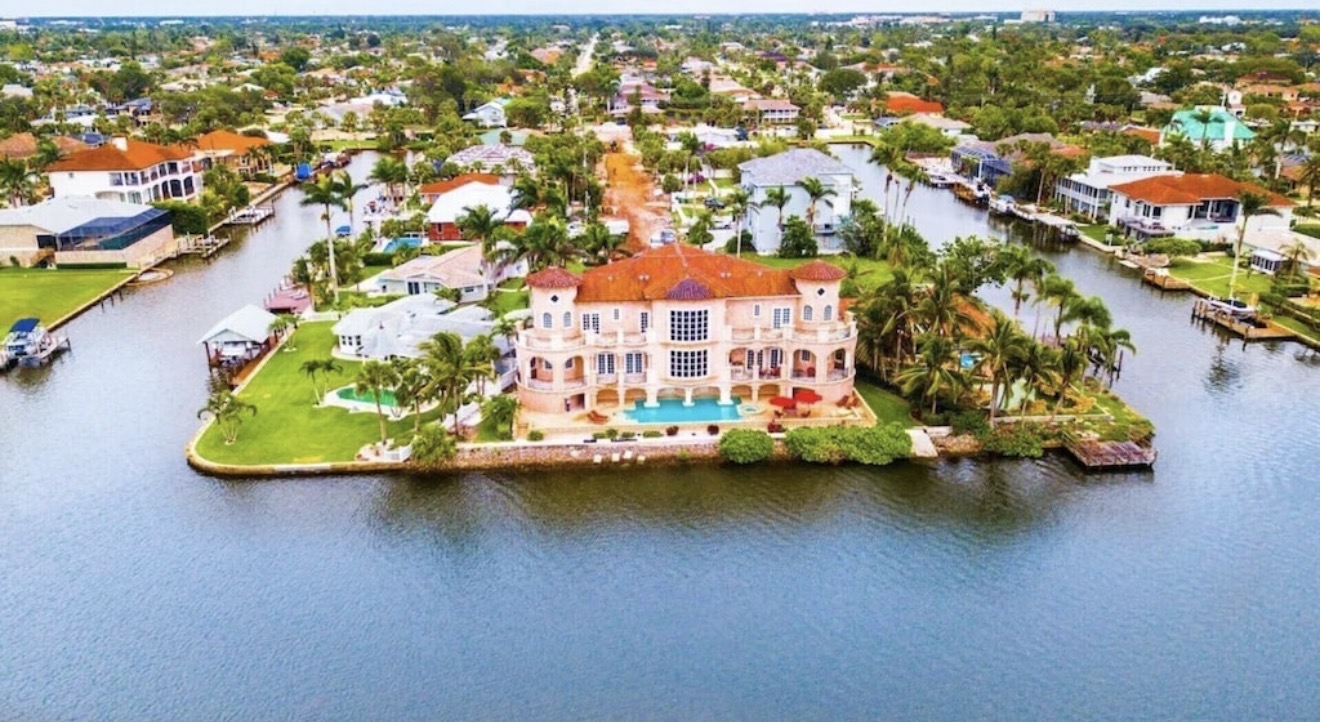
Jumbo Loans in Florida: Financing Luxury Homes
May 22nd, 2026 Posted by Michael Akialis florida mortgage, How to, Mortgages in Palm Coast 0 thoughts on “Jumbo Loans in Florida: Financing Luxury Homes”Florida Jumbo Loans: Financing Luxury Homes
Jumbo loans are designed for high-value properties that exceed conventional loan limits.
These loans require strong credit and higher down payments but offer access to luxury properties.
Explore jumbo loan options at https://floridamortgage.loan/.
Florida’s luxury market continues to thrive, making jumbo loans increasingly important.
© michael.mortgage | Maintained with ChenzoWebGuy.com